Circular Interior Environments
Integrated interior architecture focuses on creating healthy, adaptive, and closed-loop indoor spaces. By weaving together non-toxic natural materials, modular space planning, and indoor nature-based systems, this approach moves beyond fleeting aesthetics. It crafts interior ecosystems that actively enhance well-being, maximize material lifespans, and minimize environmental impact.
Holistic Interior Wellness and Circularity
Core Principles of Sustainable Spaces
Responsible interior design treats indoor spaces as dynamic, evolving environments. By implementing circular economy principles at the human scale, we replace the linear “furnish-and-discard” cycle with flexible, restorative spatial strategies. Rather than applying generic trends, these methods adapt to the unique architectural shell and the physical well-being of its occupants. Key concepts include:
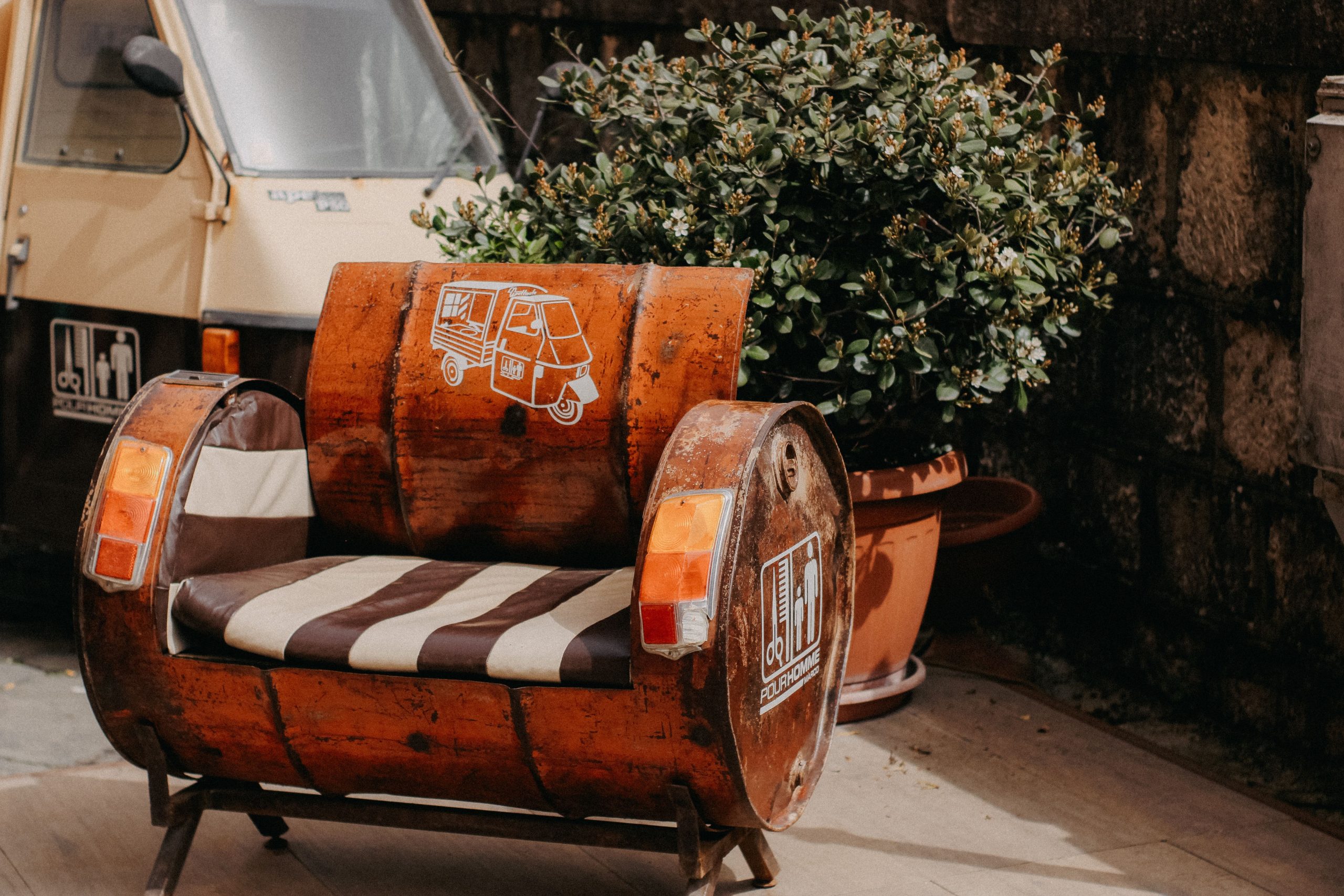
Modular Flexibility & Upcycled Materials
Designing for long-term interior adaptability through multi-functional layouts and adhesive-free, demountable detailing. By prioritizing upcycled furniture components, low-impact local textiles, and high-performance secondary raw materials, spaces can easily be reconfigured over time without generating landfill waste.
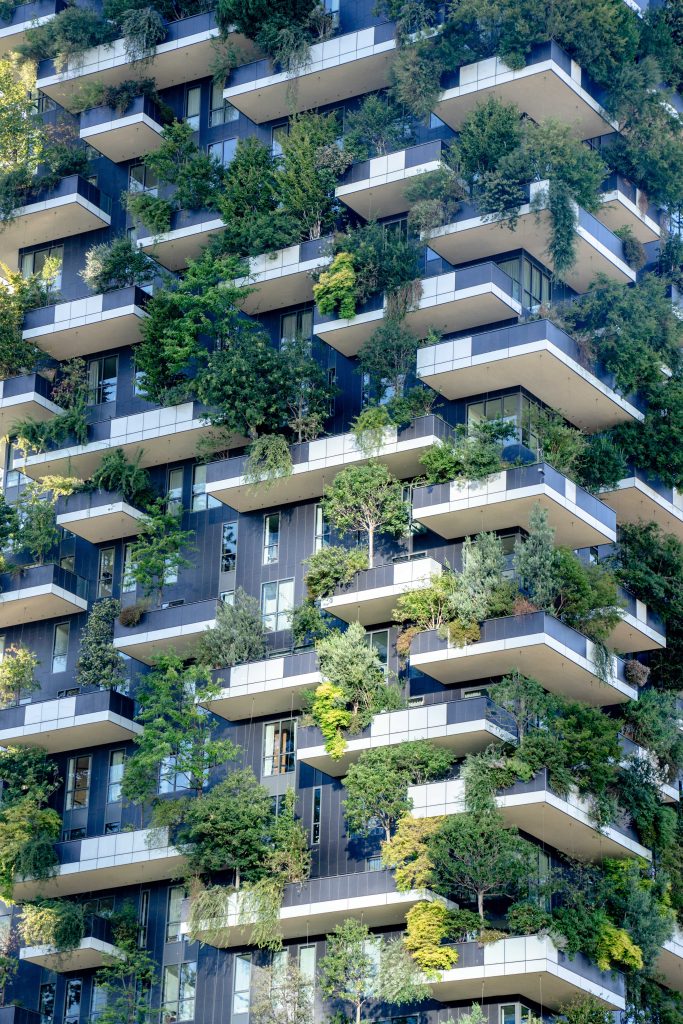
Biophilic Integration & Indoor NBS
Transforming interiors into breathing, biophilic ecosystems that actively support human health. This involves integrating indoor nature-based solutions—such as living plant partition walls, natural clay moisture regulators, and advanced phytoremediation systems—to clean indoor air, balance microclimates, and restore our innate connection to the natural world.

Alignment with Healthy Building Standards
Ensuring interior transformations are fully aligned with rigorous global performance metrics, including low VOC emission certifications, circular material passports, and healthy building frameworks. Every material specified and spatial layout engineered is designed to reduce the ecological footprint while maximizing human vitality and cognitive comfort.
Let’s Create Together
Connect with us to explore how we can make your vision a reality. Join us in shaping the future.