Applied Research & Scientific Grants
Integrated research development focuses on unlocking academic and scientific funding to pioneer breakthrough technologies in the built environment. By anchoring spatial concepts in empirical science, this approach bridges the gap between theoretical exploration and laboratory testing. We secure competitive, peer-reviewed grants to establish state-of-the-art laboratory infrastructures and form dedicated research teams capable of transforming innovative ideas into validated physical prototypes.
Academic Excellence and Technological Maturity (TRL)
Core Principles of Scientific Grant Validation
True architectural and object innovation requires a methodical transition from an abstract concept to a fully functional, high-performance solution. Utilizing rigorous public and private research frameworks—such as the “Tinere Echipe” (Young Research Teams) grants—we replace traditional aesthetic exploration with structured, data-driven experimentation. This methodology systematically advances a project’s Technology Readiness Level (TRL) from foundational research (TRL 2/3) up to comprehensive laboratory and component validation (TRL 4). Key research pillars include:

Parametric Modeling & Performance Simulation
Developing advanced computational workflows and parametric scripts (e.g., using Grasshopper or environmental simulation software) to model dynamic real-world performances. This enables researchers to simulate microclimatic behavior, algorithmically optimize structural components, and pre-test ecological or material interventions under precise, digital boundary conditions before committing to physical production.
Empirical Diagnostics & Facade Performance Axis
Establishing highly specialized testing frameworks to quantify structural, thermal, and biological material behaviors. Research projects are mapped across strict diagnostic axes utilizing advanced physical instrumentation—including guarded hot boxes for exact thermal transmittance tracking, moisture sensors for interstitial condensation risk, and infrared thermography to map localized microclimatic regulation effects.
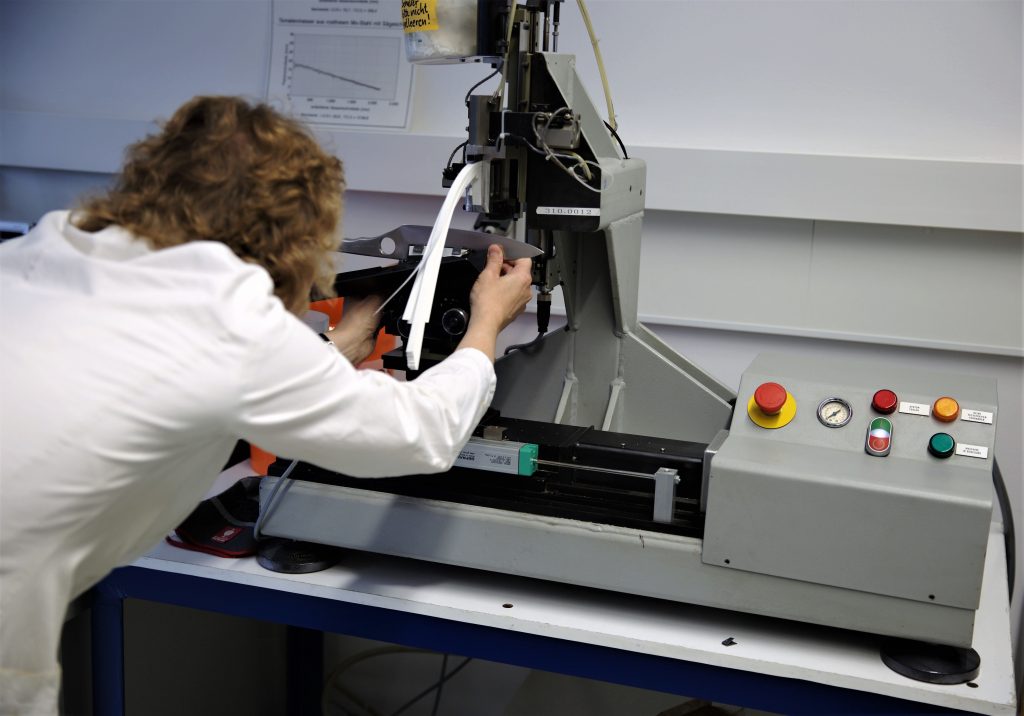
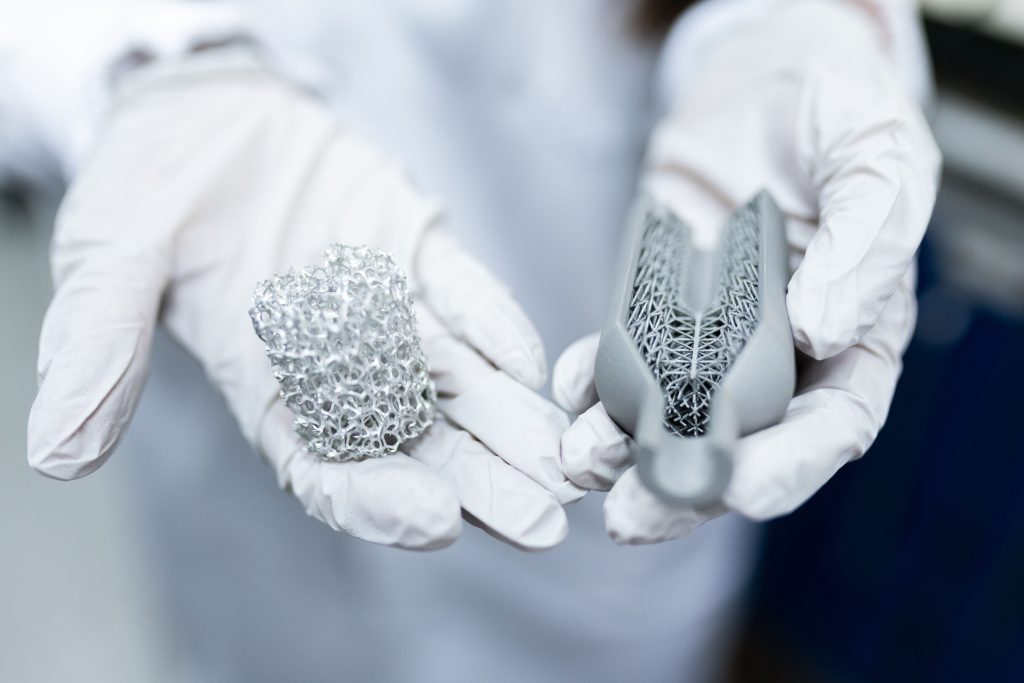
Mechanical Characterization & Destructive Prototyping
Ensuring interior transformations are fully aligned with rigorous global performance metrics, including low VOC emission certifications, circular material passports, and healthy building frameworks. Every material specified and spatial layout engineered is designed to reduce the ecological footprint while maximizing human vitality and cognitive comfort.
Let’s Create Together
Connect with us to explore how we can make your vision a reality. Join us in shaping the future.